Pokemon TCG Pull Rates Explained: What Are Your Real Odds in 2026?
Pokemon TCG Pull Rates Explained: What Are Your Real Odds in 2026?
Before you open a pack of Pokemon TCG cards, there is one question that sits in the back of every collector's mind. What are my actual chances of pulling something good? Not the vague reassurance that every pack could contain a chase card, but the real statistical picture of how rare these cards actually are and what you should realistically expect from the number of packs you are opening.
The Pokemon Company does not publish official pull rates. What we have instead is community data gathered from thousands of documented pack openings, aggregated and refined over time as more product is opened. The most reliable data comes from a study by TCGPlayer involving over 2,000 pack openings for Ascended Heroes, which is the most statistically significant English pull rate study conducted for a 2026 set. This guide uses that data alongside broader community aggregations to give you the most accurate picture currently available.
Pull rates are averages. Individual sessions will vary significantly in both directions. Opening 20 packs and pulling three SIRs is not proof that the odds are wrong. Opening 20 packs and pulling zero hits is not proof either. The numbers below reflect what happens across thousands of packs, not what will happen in any single session.
How Pull Rates Actually Work
Each booster pack has a defined structure. In a standard modern Pokemon TCG booster you receive 10 cards: a mix of commons, uncommons, a rare slot, a reverse holo slot, and one guaranteed high rarity hit slot. The hit slot is where your Double Rares, Ultra Rares, Illustration Rares, Special Illustration Rares, and other premium cards appear.
Pull rates describe the average frequency at which each rarity tier appears across that hit slot. A pull rate of one in nine packs for Illustration Rares means that across a large number of packs, you can expect to find an Illustration Rare in roughly one of every nine packs you open. It does not mean that the ninth pack will always contain one.
The other important piece of context is that pull rates describe a category, not a specific card. If SIRs pull at one in 70 packs and a set has 22 SIRs, pulling any specific SIR requires accounting for the additional probability of landing on that particular card within the SIR pool. Pulling a specific SIR like Mega Gengar ex from Ascended Heroes is considerably rarer than pulling any SIR.
Ascended Heroes Pull Rates: The Confirmed Numbers
Ascended Heroes launched on 30 January 2026 and is the most data rich set for pull rate analysis in the current Mega Evolution era. Based on the TCGPlayer 2,000 plus pack study, supplemented by community aggregations from a further 3,000 plus packs, these are the confirmed rates.
Double Rare Pokemon ex pull at approximately one in every five packs. This is the most common premium hit tier and means that across a nine pack Elite Trainer Box you should expect roughly one to two Double Rares as a baseline expectation.
Illustration Rares pull at approximately one in every nine packs. At this rate an ETB should produce one Illustration Rare on average, though individual results will vary. Illustration Rares are often considered the visual highlight of modern pack openings thanks to the quality of the full scene artwork.
Ultra Rares pull at approximately one in every 21 packs. Worth noting is that the introduction of Mega Attack Rares in Ascended Heroes has slightly reduced the Ultra Rare pull frequency compared to previous sets, because MARs now occupy the slot previously held by Ultra Rares in the pack structure.
Mega Attack Rares pull at approximately one in every 29 packs. This is more accessible than many collectors expected ahead of launch and makes the seven Mega Attack Rares in the set achievable through a reasonable amount of product.
Special Illustration Rares pull at approximately one in every 70 packs across the category. With 22 SIRs in the set, the odds of pulling any specific SIR are considerably longer. Pulling the Mega Gengar ex SIR specifically is estimated at around one in 1,540 packs when accounting for the probability within the SIR pool. At realistic per pack costs this means buying the single directly is almost always more cost efficient than attempting to pull a specific SIR.
Mega Hyper Rares pull at approximately one in every 540 packs. There are two MHRs in the set: Mega Charizard Y ex and Mega Dragonite ex. Pulling a specific one averages around one in 1,080 packs. This makes MHRs the rarest standard pulls in the set by a significant margin, though notably better than the previous Mega Evolution sets which saw MHR rates closer to one in 1,260 packs.
God Packs pull at approximately one in every 2,000 packs, though some community data from English openings suggests the true rate may be closer to one in 950 to 1,000 for a pack containing any combination of SIRs and MARs, with a fully complete god pack of seven SIRs and three MARs being rarer still. God pack rates are excluded from the standard pull rate data and sit on top of the regular pack distribution as a separate phenomenon.
What Does This Mean for an ETB?
With nine packs in a standard Elite Trainer Box, here is what the data suggests you should realistically expect from an Ascended Heroes ETB on average.
One to two Double Rares is the likely baseline. One Illustration Rare is a reasonable expectation, though you may get zero or two depending on variance. Ultra Rares and Mega Attack Rares require 21 and 29 packs respectively to average one pull, so nine packs gives you a meaningful chance but not a guarantee of either. An SIR requires 70 packs to average one pull, meaning a single ETB gives you roughly a one in eight chance of containing one. A Mega Hyper Rare requires 540 packs to average one pull, so an ETB is a long shot at one of these and most boxes will not produce one. A god pack is essentially a lottery ticket at one in 2,000 packs.
What this tells you in practical terms is that the ETB experience is primarily about the middle tiers: Illustration Rares, Mega Attack Rares, and the occasional Ultra Rare or Double Rare that catches your eye. The top tier pulls are genuinely rare and the statistics support that. Going into an ETB with the expectation of pulling an SIR is setting yourself up for disappointment. Going in with the expectation of pulling beautiful Illustration Rares and a mix of hits across the mid tier is a much more accurate picture of what the experience delivers.
Perfect Order Pull Rates: What the Early Data Shows
Perfect Order released in March 2026 and has around 1,800 packs of documented English opening data at time of writing, which is enough for a reasonable early picture though the numbers will refine as more product is opened.
Double Rares in Perfect Order appear at slightly above one in four packs, which is slightly below the average pull rate for recent Scarlet and Violet era sets. Illustration Rares are appearing at roughly one in six to eight packs, which is notably better than Ascended Heroes. Special Illustration Rares are pulling at roughly one in 50 to 70 packs based on early data. The Mega Hyper Rare featuring Mega Zygarde ex is pulling at approximately one in 200 packs, which is considerably more achievable than the Ascended Heroes MHRs at one in 540.
The smaller SIR pool in Perfect Order, at six SIRs versus twenty two in Ascended Heroes, means that while the overall SIR pull rate is similar, your odds of pulling a specific SIR are meaningfully better. With six SIRs rather than twenty two dividing the same rarity slots, pulling the specific card you are chasing requires far less volume.
The Specific SIR Problem
This is where pull rates get most painful for collectors who have a specific card in mind. It is worth doing the maths honestly so that expectations are realistic going in.
If SIRs pull at one in 70 packs and a set has 22 SIRs, pulling a specific SIR averages one in 1,540 packs assuming equal distribution across the SIR pool. That is 171 ETBs worth of packs on average. Most collectors will never pull their specific chase card through pack opening alone.
The practical implication is that if you want a specific SIR, buying it as a single from the secondary market is almost always the most cost efficient approach. The exception is if you are opening packs primarily for the experience and are happy to take whatever the packs give you, treating any SIR as a bonus rather than a target.
This is not a criticism of the Pokemon TCG. It is how the economics of a collectible card game work and it is the same dynamic that has driven the hobby's excitement for three decades. The scarcity is part of what makes the cards valuable and the experience of opening packs genuinely exciting.
Does the Product Type Affect Pull Rates?
This is a question that comes up constantly and the honest answer is no. The booster packs inside an Elite Trainer Box are identical to the booster packs inside a Mini Tin or a Poster Collection. Pull rates are determined by the pack itself, not the product it came in. An ETB does not have better odds per pack than a Mini Tin. Opening nine individual single booster packs gives you statistically identical expected results to opening an ETB.
What changes with larger products is simply pack volume, which affects your total number of attempts. Nine packs in an ETB gives you nine chances across all the pull rate tiers. Two packs in a Mini Tin gives you two. The odds per individual pack remain the same regardless of packaging.
Variance: Why Individual Results Look Nothing Like the Averages
Pull rates describe long run averages across thousands of packs. In any individual session of 9, 18, or even 36 packs, the variance from those averages can be dramatic in either direction. Opening an ETB and pulling three SIRs is not impossible. Opening an ETB and pulling zero hits is equally within the range of normal outcomes.
This variance is by design and it is what makes pack opening exciting. If every ETB contained exactly one SIR and predictable quantities of every other rarity, the experience would lose most of its appeal. The statistical reality is that your individual session will almost certainly not look like the average. It will be better or worse, and both outcomes are normal.
The averages become meaningful only over large numbers of packs. If you open 700 packs of Ascended Heroes you should expect around 10 SIRs. If you open 10 packs you might get two or you might get zero, and neither result tells you anything meaningful about whether the pull rates are accurate.
Pull Rates and the Singles vs Packs Decision
Understanding pull rates clearly helps frame one of the most practical decisions in the hobby: should you open packs or buy the specific card you want as a single?
For specific high value chase cards, the maths almost always favours buying the single. The expected pack cost to pull a specific SIR at one in 1,540 packs will generally far exceed the secondary market price of that card in near mint condition. If Mega Gengar ex SIR is worth several hundred pounds on the secondary market, the statistical pack spend required to pull it is considerably more than that.
For the pack opening experience itself, there is no maths that applies. Opening packs is fun, the anticipation is real, and the feeling of pulling an unexpected hit from a pack you did not expect to pop is something that cannot be replicated by buying a single. Many collectors do both: buy specific singles they really want and open a modest volume of packs for the enjoyment of the experience.
Both approaches are valid. The key is going in with clear expectations rather than opening large quantities of packs with the specific goal of pulling a card that statistically costs far more to pull than it does to buy.
Getting the Most Packs for Your Budget at CardDeckr
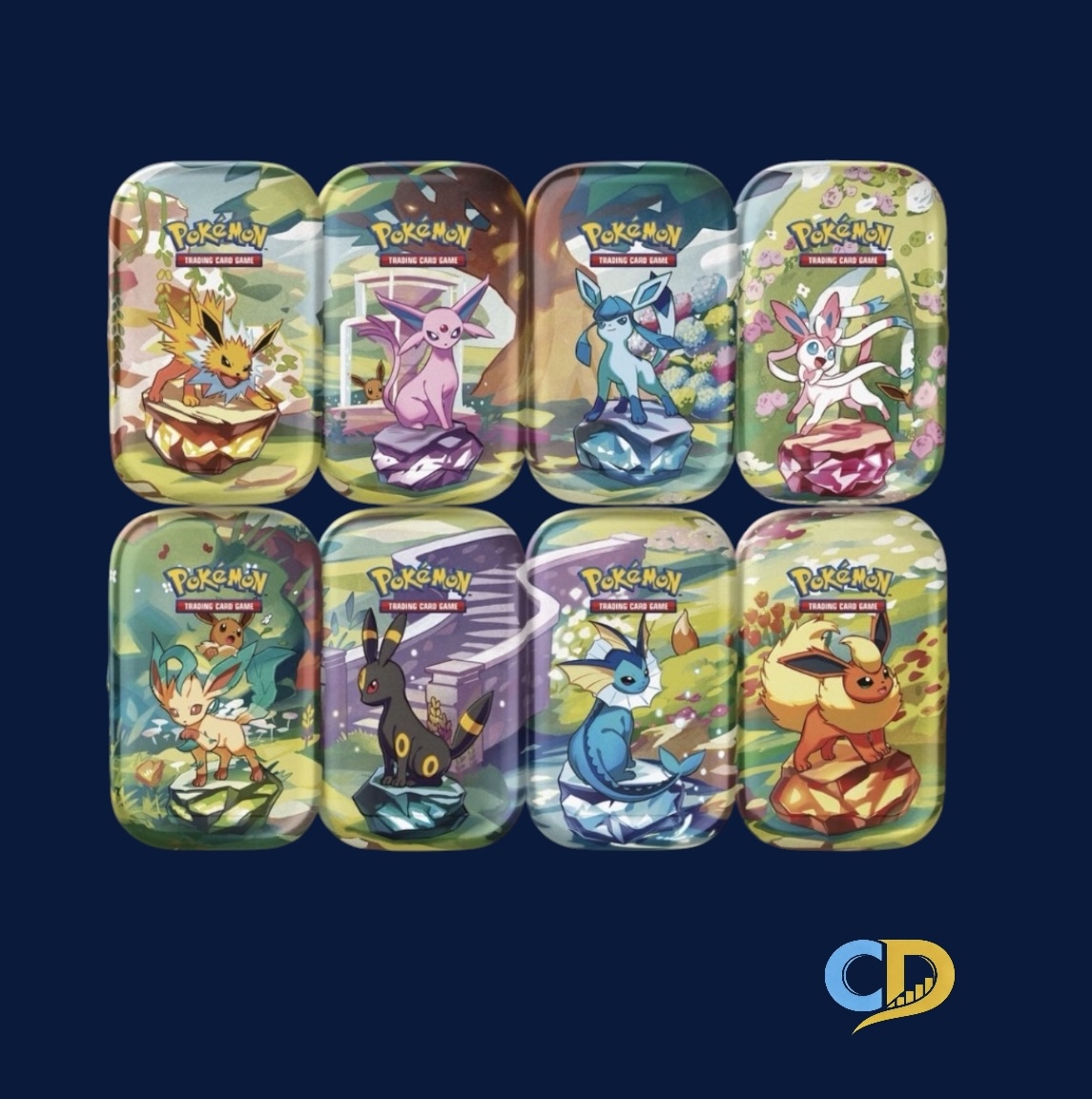
If pack volume is your goal, the products that give you the most packs for your spend are the ones to focus on. At CardDeckr the Ascended Heroes Single Booster Pack gives you access to one pack at a time if you want to control your spend precisely. The Mini Tins give you two packs alongside collectible extras. The Charmander Tech Sticker Collection gives you three packs with a foil promo. The First Partner Illustration Collection gives you two standard packs alongside its exclusive promo booster. And when Perfect Order and Chaos Rising products are in stock, the range extends further across pack counts and price points.
Check current availability at carddeckr.com. Sign up for a free account to get 5% off every order. All product at CardDeckr is factory sealed and sourced through verified UK distribution channels, meaning every pack you open has the full unmodified pull rate distribution as intended by The Pokemon Company.
All pull rate data in this guide is sourced from community aggregate studies and should be treated as estimates rather than guaranteed outcomes. The Pokemon Company does not publish official pull rates. Pokémon and all related names are trademarks of Nintendo, Creatures Inc., GAME FREAK inc., and The Pokémon Company. CardDeckr is not affiliated with The Pokémon Company International.
You May Also Like
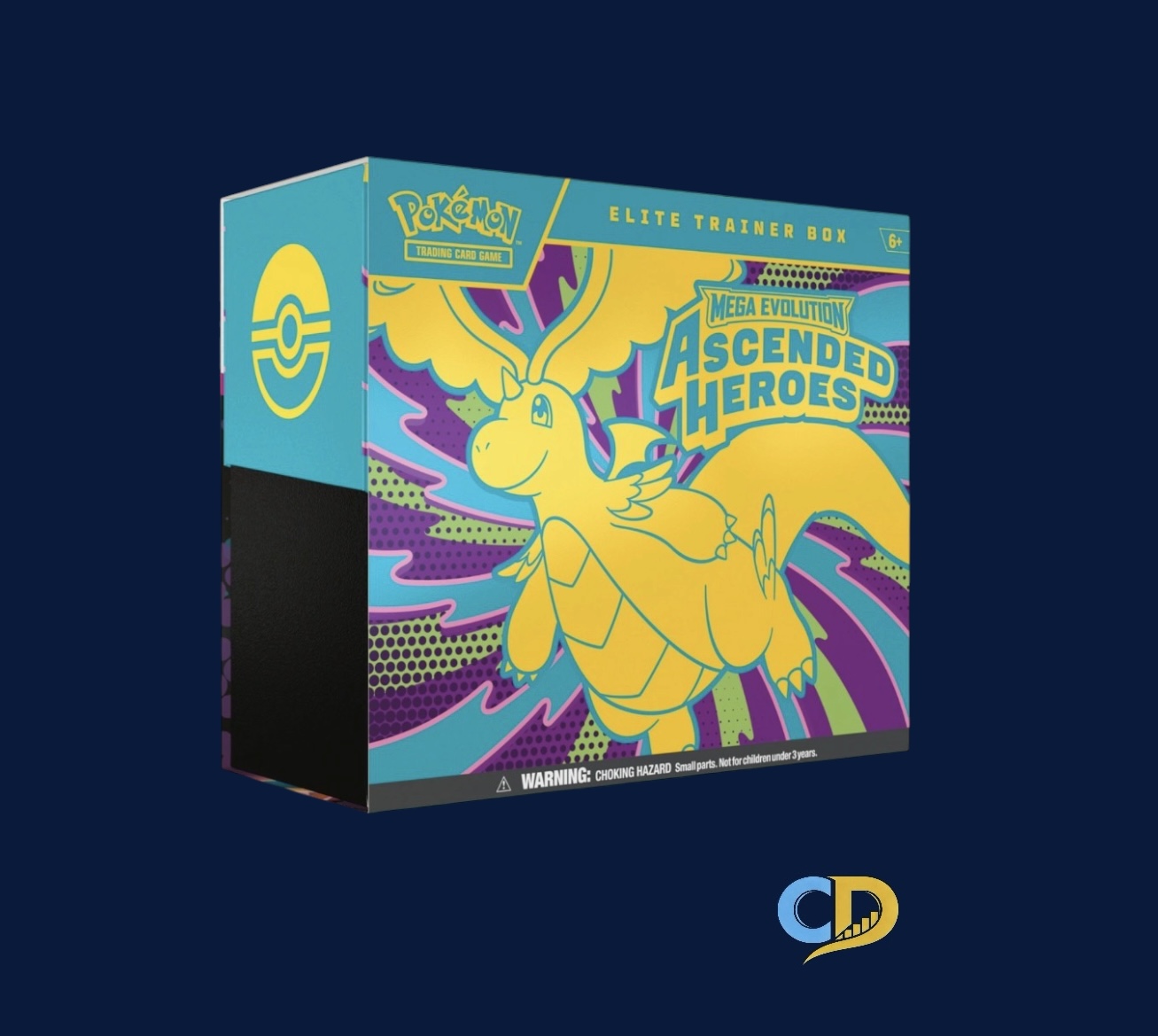
Pokemon TCG | Mega Evolution-Ascended Heroes | Elite Trainer Box
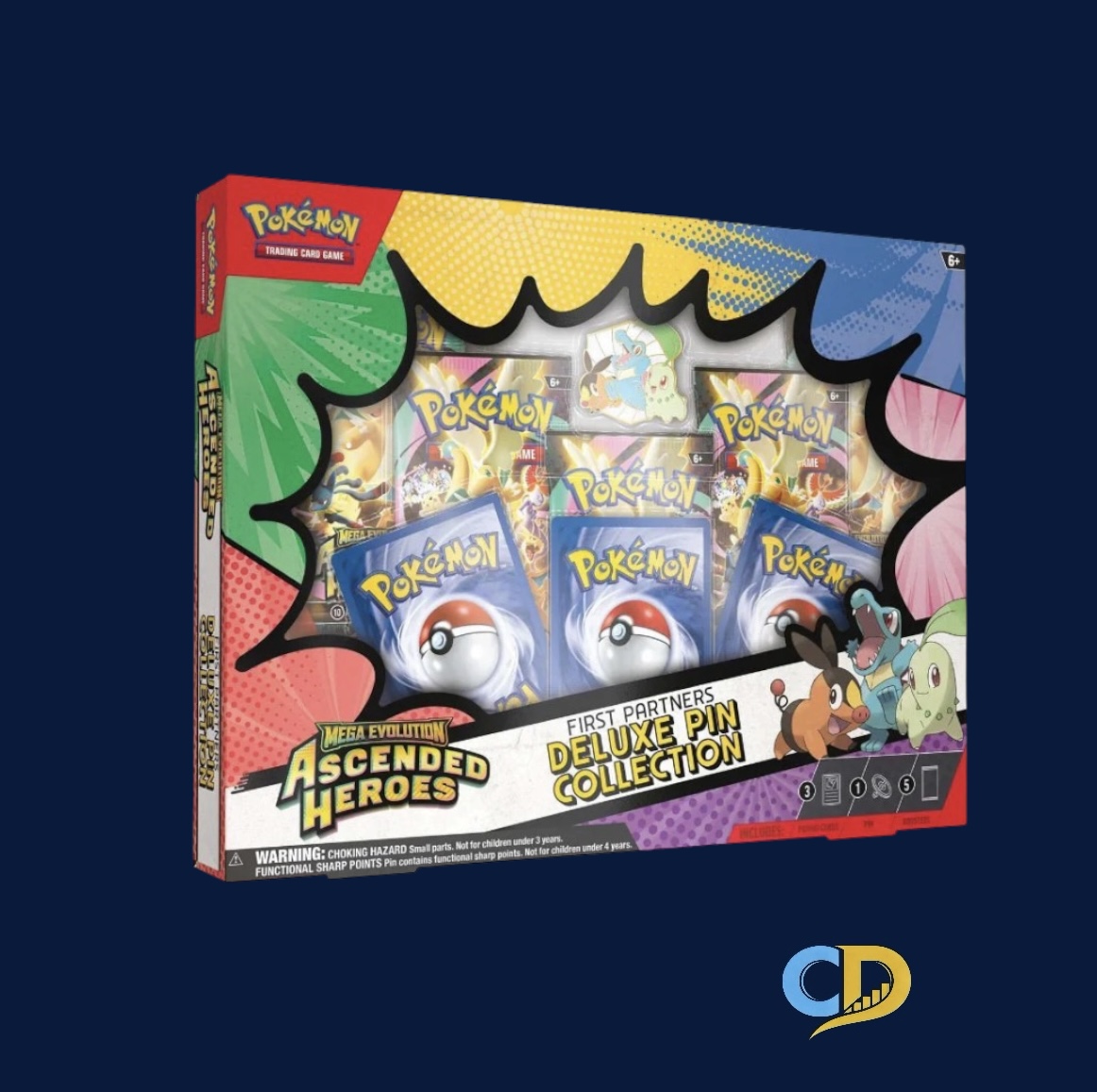
Pokemon TCG | Mega Evolution-Ascended Heroes | First Partners Deluxe Pin Collection
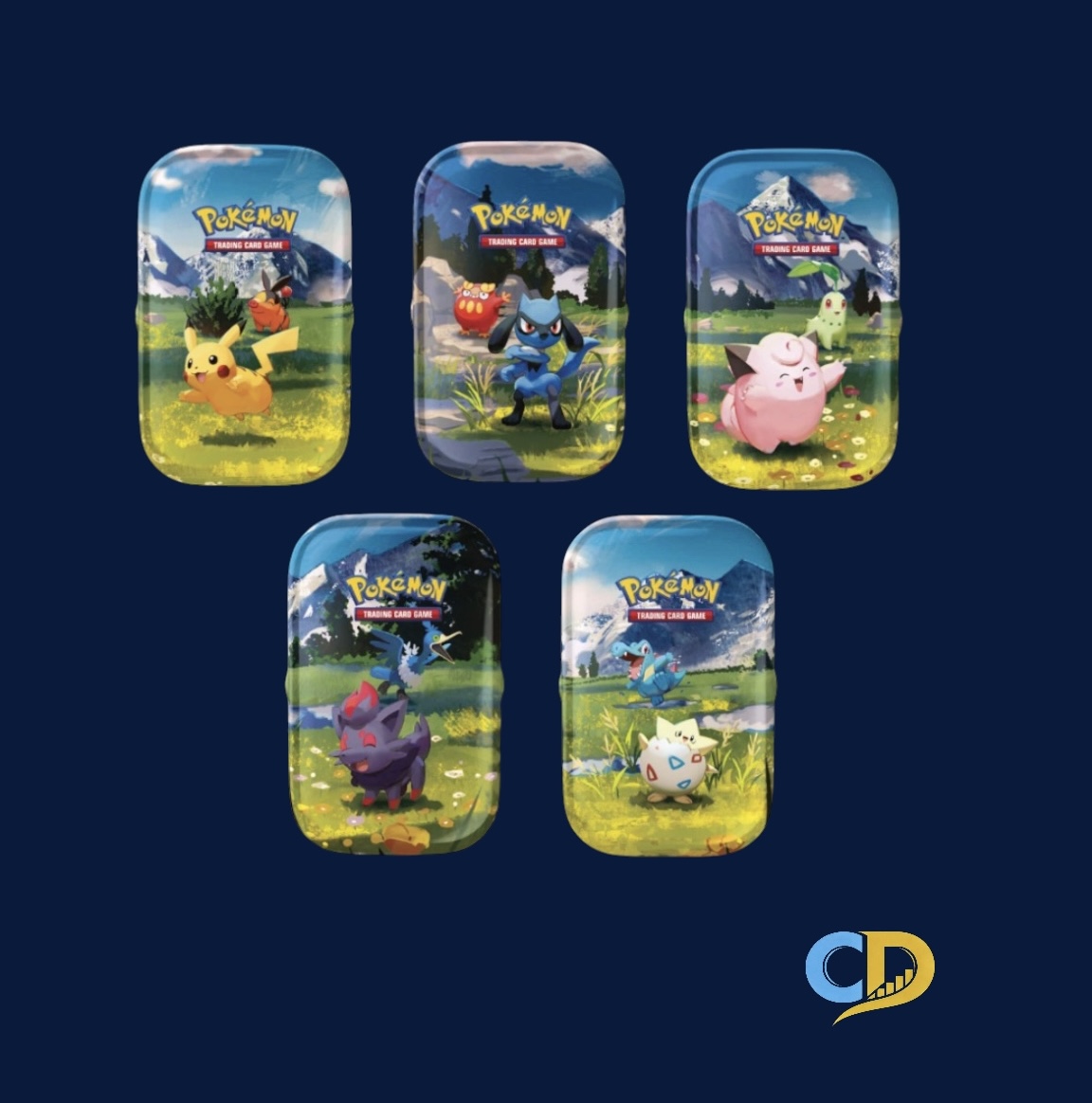
Pokemon TCG | Mega Evolution-Ascended Heroes | Mini Tin Random
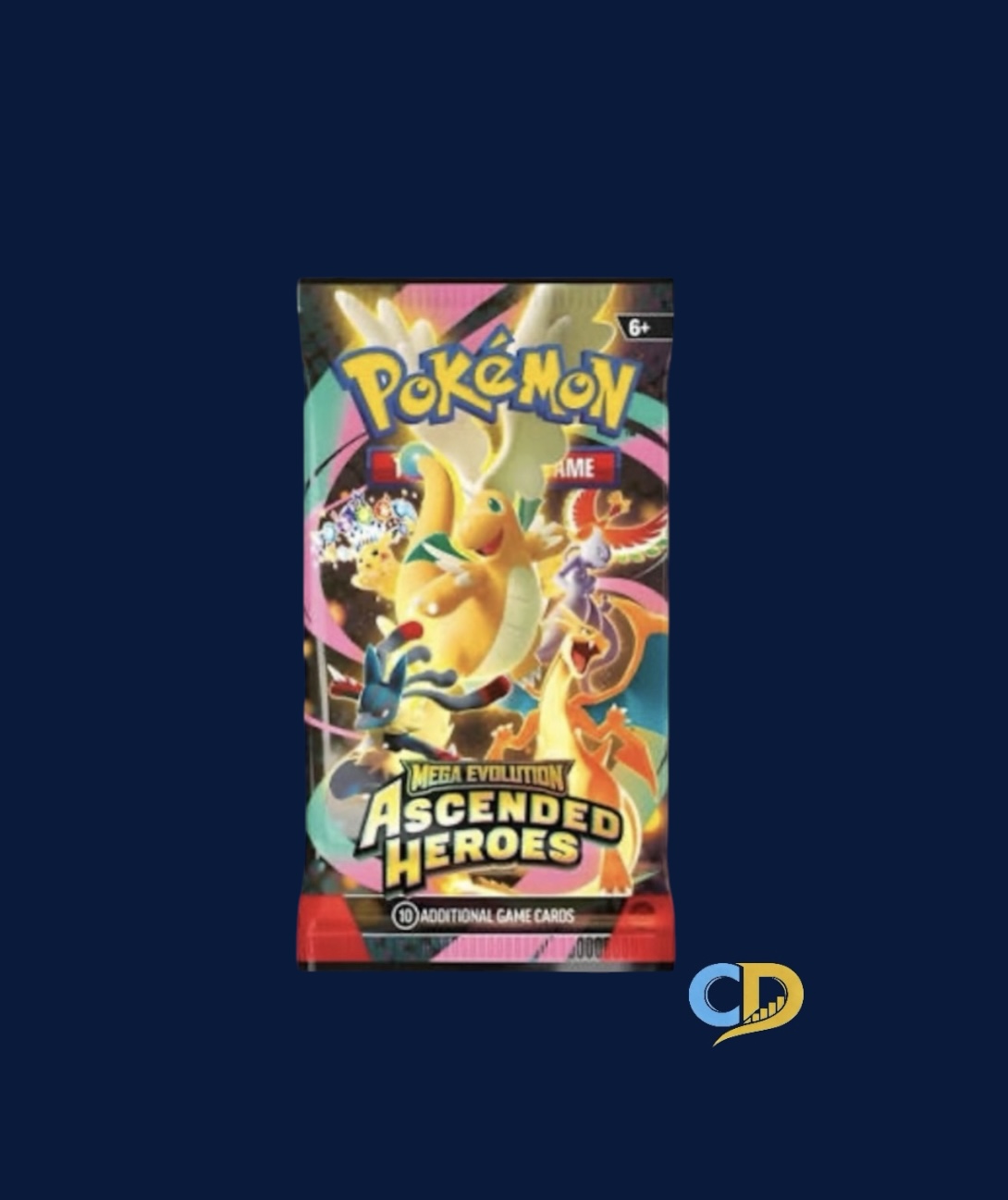
Pokemon TCG | Mega-Evolution Ascended Heroes | Single Booster Pack